

High Blood Pressure Care in Panama City, FL
High blood pressure usually causes no symptoms at all, which is why it is found by checking for it rather than by waiting to feel unwell.
High blood pressure rarely tells you it is there. Most people who have it feel completely well, which is why it is found by checking rather than by waiting. Once it is found, the work is steady rather than dramatic: changes that fit your life, monitoring, and adjustment over time.
At a glance
- Most people who have high blood pressure display no symptoms at all
- No pain or discomfort does not mean the condition is harmless
- Found by measuring for it, not by waiting to notice something
- Managed with lifestyle changes and, where appropriate, prescribed medication
- Followed with regular monitoring so the plan can be adjusted over time
When to make an appointment
High blood pressure usually gives you nothing to notice, so this is less a list of symptoms than a list of reasons to have it checked instead of leaving it another year.
- You have not had your blood pressure checked in a year or more
- A previous reading you were told to watch, but never went back about
- High blood pressure, stroke or heart disease in your immediate family
- A prescription you stopped taking, or one you keep renewing without review
- Other conditions in the same picture, such as diabetes or high cholesterol
- A home monitor giving you readings you are not sure what to do with
This is not a diagnosis, and the list is not exhaustive. If a symptom is severe, or comes on suddenly, seek emergency care rather than an appointment.
About high blood pressure
High blood pressure can be a dangerous condition as those who have it typically do not display symptoms. While those with high blood pressure may not experience any pain or discomfort, their condition could still be life-threatening.
That is the whole difficulty with it. Most conditions send some kind of signal — pain, a lump, a cough that will not clear. High blood pressure usually sends nothing at all, so it is found by measuring rather than by noticing. A lot of people first hear about theirs at an appointment they booked for something else entirely.
Here at Nation's Best Family Health Care, we are proud to provide services to best identify and address this issue in our patients.
Why it is treated when you feel fine
Treating something that causes no symptoms can feel like solving a problem you do not have. The reason it is taken seriously is what it is linked to over time — stroke, heart attack and other health complications — and keeping it managed is the whole point of the appointments.
We can help you make the necessary lifestyle changes and prescribe medication to aid in the management of your condition. Which of those comes first, and in what combination, depends on your history rather than on a rule. What you eat, how you sleep, how much you move, how much stress you are carrying and what else you are being treated for all sit in the same picture.
We strive to create individualized treatment plans for each of our patients as each person has a unique history and unique needs. The plan you leave with is a starting point, and it is expected to change as we see how you respond to it.
What an appointment looks like
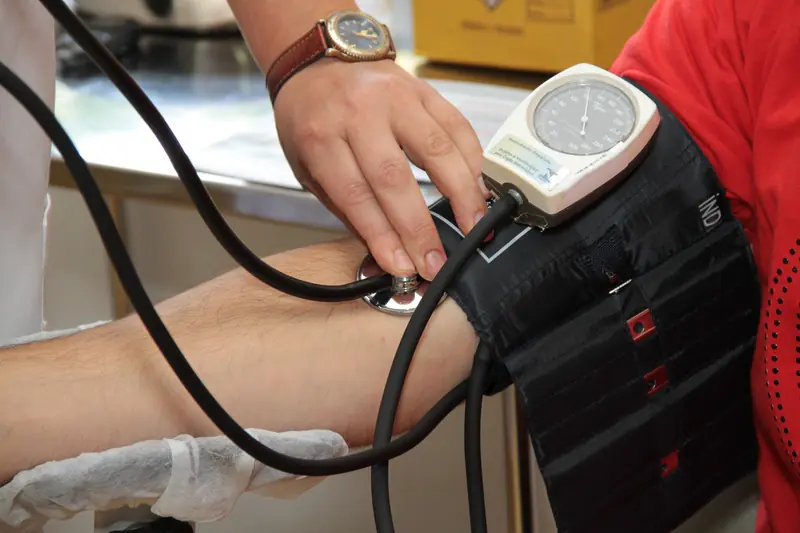
We check your blood pressure and take your history: what you have been told before, what runs in your family, what you take, and what a normal week looks like for you. If you measure at home, bring your readings and the cuff you use — both are useful. A single reading in a clinic room is one moment in a longer story, and the pattern is what we are interested in.
From there we talk through what is worth changing and whether medication has a role for you. You will hear plainly what is being recommended and the reasoning behind it.
Then we book the follow-up before you leave. High blood pressure is managed through monitoring: rechecking, seeing how you have responded, and adjusting. Appointments that feel uneventful are the ones doing the work.
Common questions
Anything not answered here is worth asking at your consultation.
How would I know if I have high blood pressure?
Will I definitely need medication?
Should I check my blood pressure at home?
Can I stop my treatment once things settle?
What should I bring to my first appointment?
Terms you may hear
- Blood pressure
- The pressure of blood against the walls of your arteries as your heart pumps. It is measured rather than felt, which is why regular checks matter.
- Asymptomatic
- Producing no noticeable symptoms. High blood pressure is typically asymptomatic, so it can be present without any pain or discomfort to warn you.
- Home monitoring
- Taking your own blood pressure readings between appointments, so the plan can be built on a pattern rather than on a single measurement in a clinic room.
- High CholesterolHigh cholesterol can come from heredity, from lifestyle habits, or from both. Routine checks and blood testing are how it is found and followed over time.
- Cardiovascular HealthYour heart and blood vessels make up the circulatory system. Cardiovascular care means looking at that system as a whole, and following it over time.
- Electrocardiogram (EKG)A non-invasive test that records your heart's electrical activity and helps our doctors check for signs of heart disease. It is done here in the office.
- Preventative CareRoutine screenings to stay ahead of problems — breast, cervical, colorectal and endometrial cancer screening, done while you are well rather than after symptoms appear.




Request your appointment today
If it has been a while since anyone checked your blood pressure, book an appointment and let's take a look.