

Diabetes Care in Panama City, FL
A common condition that can alter your lifestyle and quality of life, managed with diagnostic testing, treatment options and the follow-up that keeps a plan fitting.
Diabetes is a common health concern that can alter a patient's lifestyle and quality of life, and most of the work of living with it happens between appointments. Our part is the diagnosis, a plan that fits the way you actually live, and the follow-up that keeps it fitting.
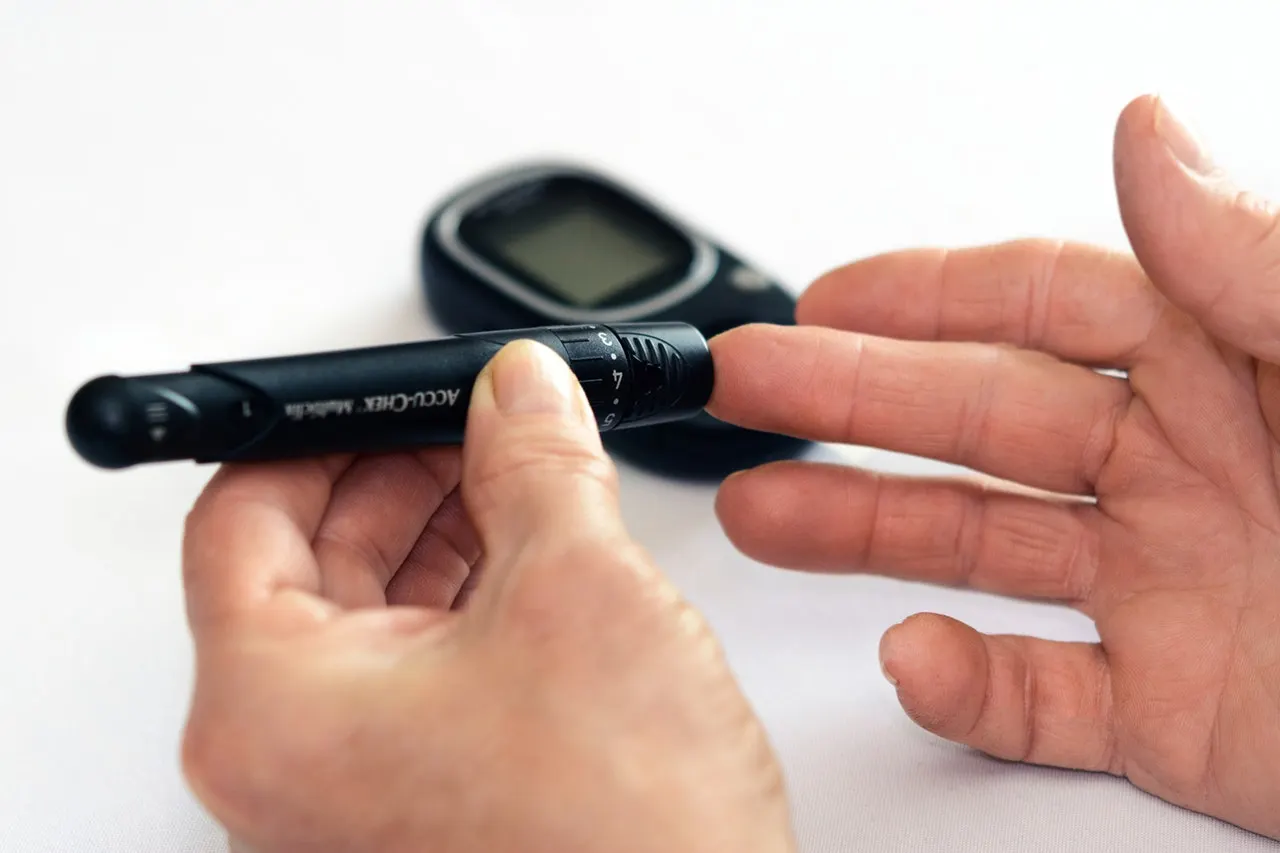
At a glance
- A common health concern that can alter your lifestyle and quality of life
- Chronic fatigue, frequent urination or suspected nerve damage are reasons to come in
- Diagnostic testing to establish where your blood sugar levels actually sit
- Various treatment options aimed at managing blood sugar day to day
- Ongoing management and follow-up rather than a single appointment
When to make an appointment
Diabetes does not always announce itself, and its early signs are easy to put down to a busy life or a bad week. These are reasons to book an appointment rather than wait for your next physical.
- Feeling tired all the time in a way that rest does not account for
- Needing to urinate more often than you used to, including overnight
- Numbness, tingling or burning in your feet or hands
- Unusual thirst, or cuts and sores that are slow to heal
- Diabetes in your immediate family, or a borderline result you never followed up
- A diagnosis you have been managing alone since moving or changing doctors
This is not a diagnosis, and the list is not exhaustive. If a symptom is severe, or comes on suddenly, seek emergency care rather than an appointment.
About diabetes
Diabetes is a common health concern that can alter a patient's lifestyle and quality of life. It is a condition of blood sugar — how much is carried in your blood, and how steadily it is kept there — and because blood reaches everywhere, the effects can show up in places you would not immediately connect to it.
Here at Nation's Best Family Health Care, we specialize in treating patients with diabetes and helping them manage their condition to best experience a happy and healthy life. Whether you are experiencing chronic fatigue, frequent urination, or suspect you may have nerve damage, we are here to help.
We provide diagnostic testing and various treatment options to help our patients manage their blood sugar levels.
Why follow-up does most of the work
Diabetes is managed rather than settled in a single appointment, and that shapes what care looks like. Blood sugar moves with meals, illness, stress, sleep and activity, so a plan that fits your life in March may not fit it in September. Regular review is how that gets noticed and corrected.
It also means the visits are not only about results on a page. What we ask about is the day to day: how you are eating, how you are sleeping, what your work and routine look like, whether fatigue is getting in the way, and whether you have noticed any change in your feet or hands. Those details are usually what a plan needs to change around.
We strive to create individualized treatment plans for each of our patients as each person has a unique history and unique needs. Two people with the same diagnosis can need very different routines, and the one that lasts is the one built around your life.
What an appointment looks like
A first visit starts with your history — what you have noticed, how long it has been going on, what else you are treated for, and whether diabetes runs in your family. Bring a list of everything you take and any readings or results you already have from elsewhere, even old ones.
From there we examine you and use diagnostic testing to see where things actually stand. We go through the treatment options for managing your blood sugar levels and agree on something you can realistically keep up with. If you are worried about nerve damage, say so plainly; it is a specific thing to look at rather than a vague worry to carry home.
Then we book the next visit. Follow-up appointments are where a plan gets adjusted as your life and your results change, and over time they are the part of diabetes care that matters most.
Common questions
Anything not answered here is worth asking at your consultation.
What symptoms should make me get checked?
What does diagnostic testing involve?
How often will I need to come back?
Can you take over my care if I was diagnosed somewhere else?
Does diabetes affect other parts of my health?
Terms you may hear
- Blood sugar
- The sugar carried in your blood. Managing diabetes is largely a matter of keeping it steady, which is what diagnostic testing and treatment options are aimed at.
- Nerve damage
- Damage to nerves that can accompany diabetes. People often notice it first as numbness, tingling or burning in the feet or hands.
- Diagnostic testing
- Testing used to establish whether you have diabetes and where your blood sugar levels sit, so that management is based on something measured rather than assumed.
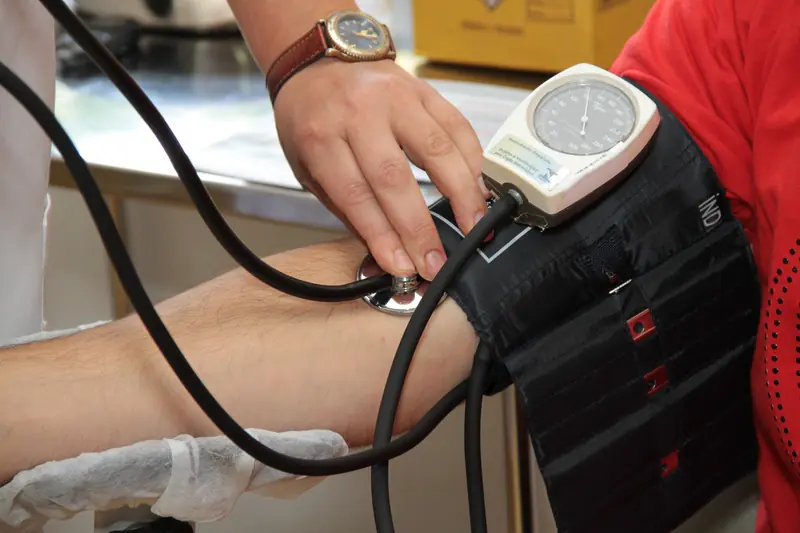
- High Blood PressureHigh blood pressure usually causes no symptoms at all, which is why it is found by checking for it rather than by waiting to feel unwell.
- Cardiovascular HealthYour heart and blood vessels make up the circulatory system. Cardiovascular care means looking at that system as a whole, and following it over time.
- Preventative CareRoutine screenings to stay ahead of problems — breast, cervical, colorectal and endometrial cancer screening, done while you are well rather than after symptoms appear.
- Primary CareA go-to medical home for every patient — injuries, illness, annual physicals and chronic conditions that need ongoing management, with one practice holding your history.



Request your appointment today
If you have been putting off getting checked, or managing on your own since your diagnosis, book an appointment.