






Chronic Condition Care in Panama City, FL

Diabetes, blood pressure, cholesterol, cardiovascular health, thyroid management, migraines and vertigo — managed over time, not visit by visit.

Long-running conditions are managed by what happens between appointments as much as during them. These pages describe what we look at, and what a first visit involves.

Chronic condition care at Nation's Best Family Health Care in Panama City, FL

About chronic condition care

A chronic condition is one that is managed rather than cured — diabetes, high blood pressure, high cholesterol, thyroid conditions, and recurring problems like migraines and vertigo.

What these have in common is time. The useful information is in the trend, not in one reading, which is why follow-up appointments matter more here than anywhere else in the practice.

Why the pattern is the point

One blood pressure reading on a stressful morning says very little. The same reading every month for a year says a great deal. The same is true of a headache that arrives twice a year and one that arrives twice a week.

So the work is partly detective work: building a picture across visits, adjusting as it changes, and keeping everything in one record rather than scattered across whoever happened to be available.

What a first visit involves

Your history, an examination, and a conversation about what you have already tried. We consider whether any testing would change the plan, and if it would, much of it can be done in the office. Then we agree what to do next and when to check back in.

Bring your medications, or a list of them, and any readings or records you have been keeping.

Common questions

Anything not answered here is worth asking at your consultation.

What symptoms should make me get checked?
Chronic fatigue and frequent urination are two of the common ones, and so is the suspicion that you may have nerve damage — numbness or tingling in the feet or hands. None of them are proof of anything on their own, which is exactly why they are worth testing rather than guessing about. Call (850) 481-1101 to book.
What does diagnostic testing involve?
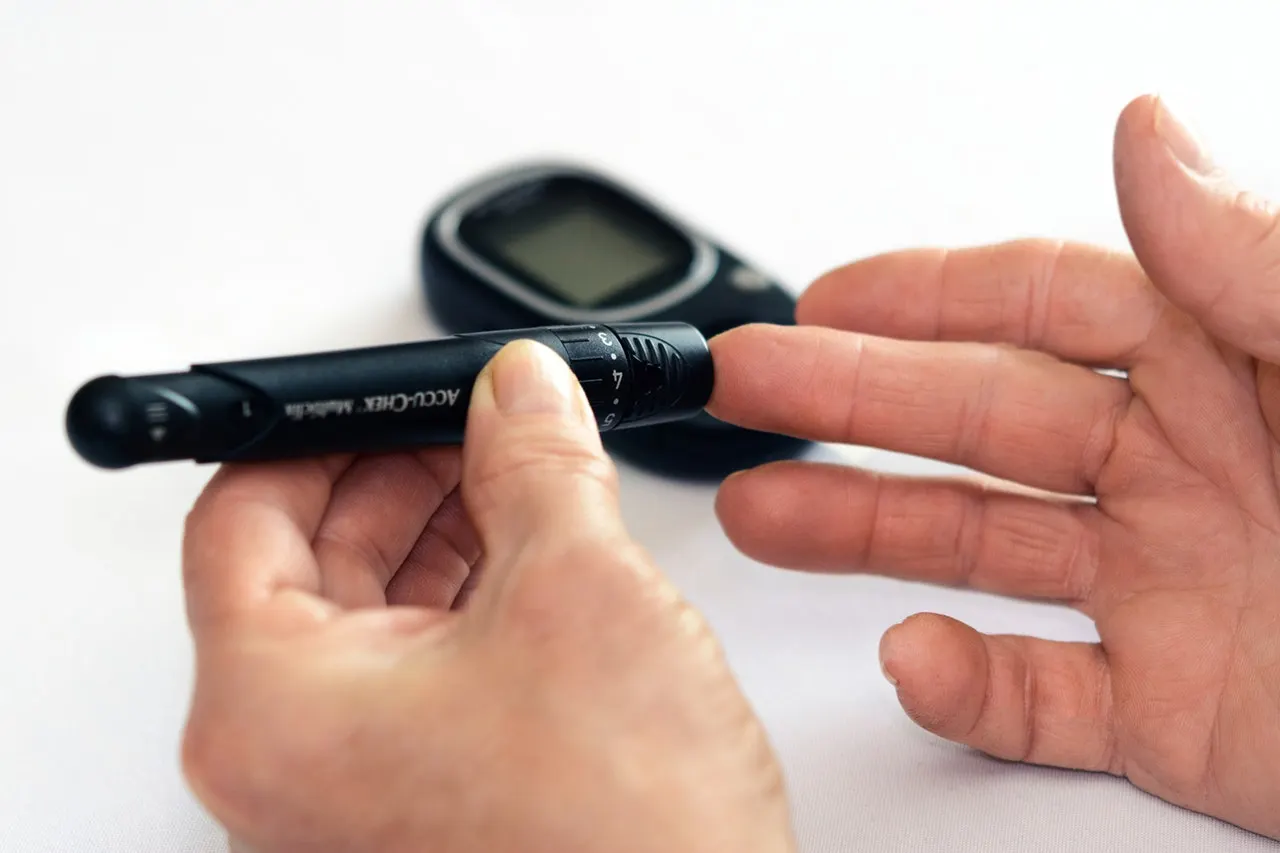
Testing is how we establish where your blood sugar levels actually sit instead of working from symptoms alone. We will explain what is being checked, why it is being checked, and what the results mean for your plan before you leave. If there is anything you need to do beforehand, we will tell you when you book.
How often will I need to come back?
That depends on where you are starting from and how things go. Diabetes care is built on follow-up: reviewing how a plan is working, adjusting it, and catching changes early. We will agree the interval with you rather than leave it open, and it can change as your management settles.
Can you take over my care if I was diagnosed somewhere else?
Yes. Bring whatever you have — previous results, your current medication list, and any home readings you keep. A history from elsewhere is useful information, not a complication. It gives us a starting point instead of a blank page, and it means fewer repeated steps for you.
Does diabetes affect other parts of my health?
It can, which is why appointments cover more ground than blood sugar alone. Nerve damage is one example patients often raise themselves. Other conditions such as blood pressure and cholesterol commonly sit in the same picture, so they tend to be looked at alongside your diabetes rather than separately.
How would I know if I have high blood pressure?
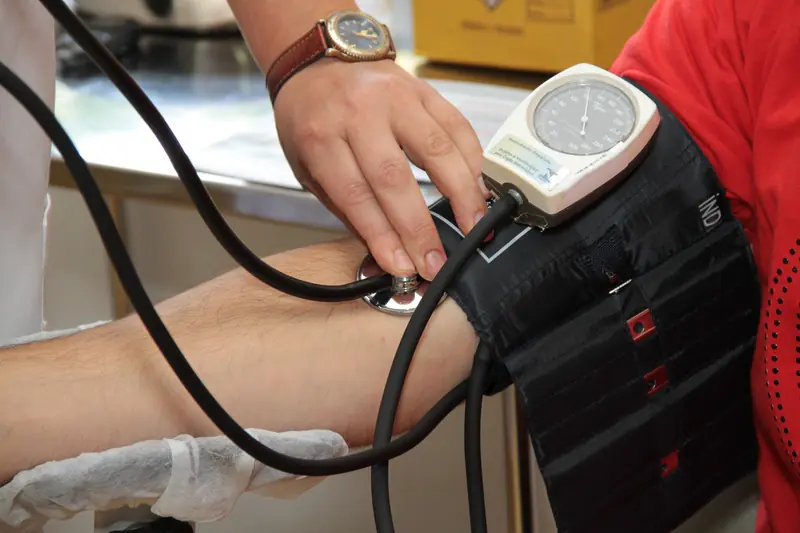
Usually you would not. Those who have it typically do not display symptoms, and may experience no pain or discomfort at all while the condition is still serious. That is precisely why it is checked at appointments rather than reported as a complaint, and why a regular check is worth booking even when you feel well.

Terms you may hear

Blood sugar
The sugar carried in your blood. Managing diabetes is largely a matter of keeping it steady, which is what diagnostic testing and treatment options are aimed at.
Nerve damage
Damage to nerves that can accompany diabetes. People often notice it first as numbness, tingling or burning in the feet or hands.
Diagnostic testing
Testing used to establish whether you have diabetes and where your blood sugar levels sit, so that management is based on something measured rather than assumed.
Blood pressure
The pressure of blood against the walls of your arteries as your heart pumps. It is measured rather than felt, which is why regular checks matter.
Asymptomatic
Producing no noticeable symptoms. High blood pressure is typically asymptomatic, so it can be present without any pain or discomfort to warn you.
Home monitoring
Taking your own blood pressure readings between appointments, so the plan can be built on a pattern rather than on a single measurement in a clinic room.
Nation’s Best Family Health Care

Request your appointment today

Call (850) 481-1101 to book an appointment about an ongoing condition.